Preheat your oven to 325°F (165°C) and position the rack in the lower third of the oven—this helps the cheesecake bake evenly without the top browning too quickly. Remove the cream cheese and eggs from the refrigerator so they can come to room temperature while you gather all ingredients. Room temperature ingredients are crucial for creating a smooth, lump-free batter that incorporates evenly.
In a large bowl, beat the room temperature cream cheese, sugar, and vanilla extract together for 2-3 minutes until smooth and creamy—this aerates the mixture and prevents lumps. Add the eggs one at a time, beating well after each addition to ensure they're fully incorporated before adding the next. I like to use Madagascar vanilla in my cheesecakes because it adds a subtle depth that complements the pumpkin spices beautifully. Once all eggs are added, you should have a pale, smooth batter.
Spread approximately 1 cup of the plain batter from Step 2 evenly into the bottom of your prepared graham cracker crust, creating an even layer. This plain layer will form the delicate bottom portion of your cheesecake, providing a neutral contrast to the spiced pumpkin layer on top. Use an offset spatula or the back of a spoon to smooth it out, but don't worry about perfection—slight texture variation adds to the rustic appeal.
To the remaining batter from Step 2, add the pumpkin puree, ground cinnamon, ground cloves, and ground nutmeg. Stir until fully combined and the color is even throughout—you should have a rich, spiced pumpkin-colored batter. I always use freshly grated nutmeg and freshly ground cinnamon when possible; the aroma and flavor are noticeably more vibrant than pre-ground spices. Pour this pumpkin batter carefully over the plain layer in the crust, smoothing the top gently.
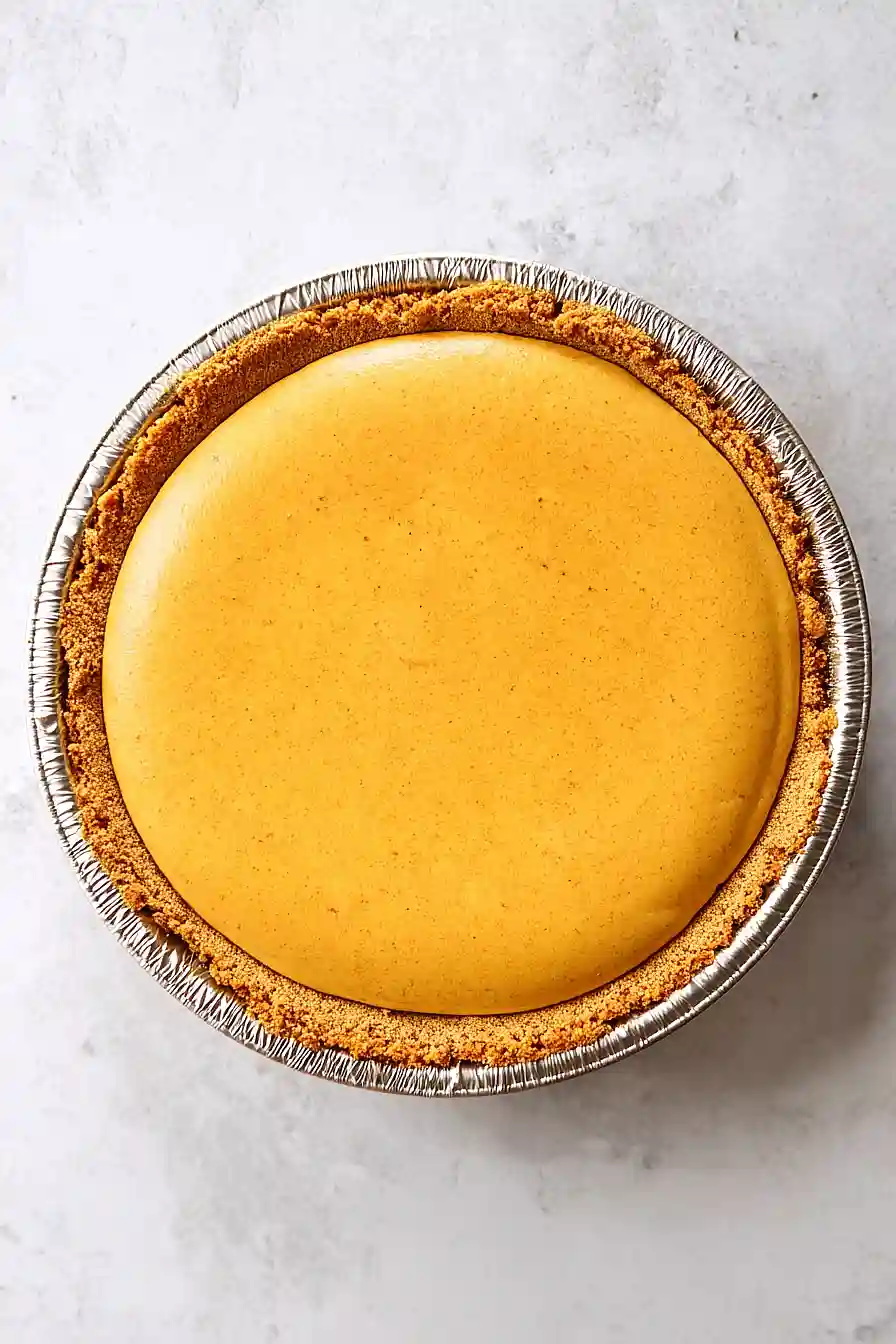
Bake for 35-40 minutes, until the edges are puffed and set but the center still has a slight jiggle when you gently shake the pan—this is the sweet spot for a creamy, not-overbaked cheesecake. The center should look mostly firm but with a small wobble in the very middle about the size of a quarter. Overbaking will result in cracks and a dry, dense texture, so err on the side of underbaking slightly.
Remove the cheesecake from the oven and let it cool undisturbed at room temperature for 1-2 hours. This gradual cooling process is essential—it prevents the dreaded cracking that happens when cheesecake cools too quickly. After reaching room temperature, refrigerate for at least 4 hours (or preferably overnight) before serving. This resting time allows the flavors to meld and the texture to set to that perfect creamy consistency.