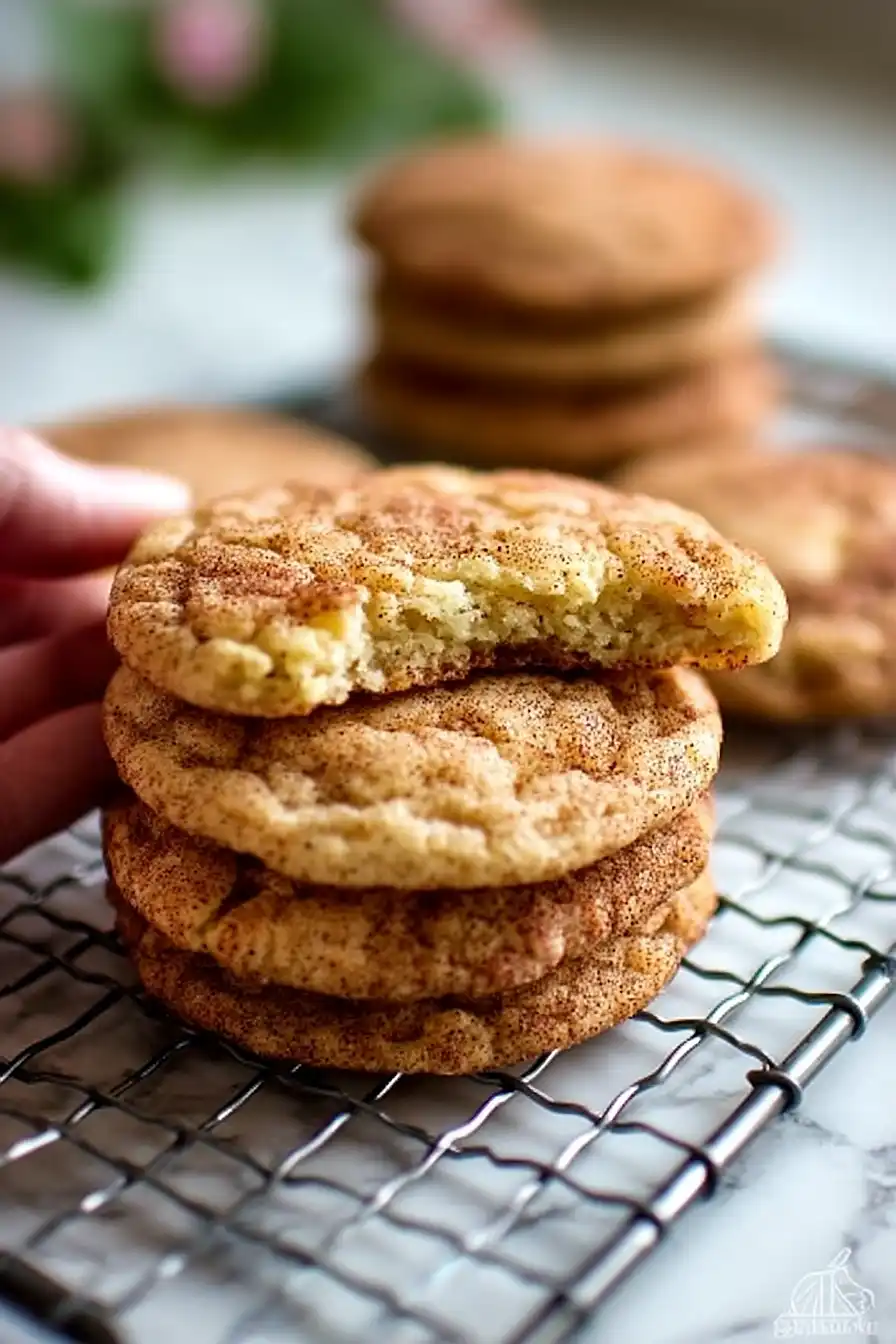
Here is my favorite snickerdoodle recipe, made with lard for extra richness, cream of tartar for that classic tangy flavor, and rolled in cinnamon sugar for a sweet, crispy coating.
These snickerdoodles are the cookies I turn to when I want something comforting and familiar. The lard gives them an old-fashioned flavor that reminds me of cookies from my childhood, and they stay chewy in the middle with those crinkly, sugary edges everyone loves.
Why You’ll Love These Snickerdoodles
- Perfectly soft and chewy texture – The combination of butter and lard creates cookies that stay tender on the inside with slightly crispy edges, giving you that classic snickerdoodle bite everyone loves.
- Simple ingredients – You probably have most of these pantry staples on hand already, making this an easy recipe to whip up whenever a cookie craving hits.
- Classic flavor everyone enjoys – The cinnamon-sugar coating and sweet, buttery cookie base make these a hit with kids and adults alike, perfect for any occasion from holiday gatherings to casual weeknight treats.
- Quick to make – With less than 45 minutes of active time, you can have fresh, homemade cookies ready to enjoy without spending your whole afternoon in the kitchen.
What Kind of Lard Should I Use?
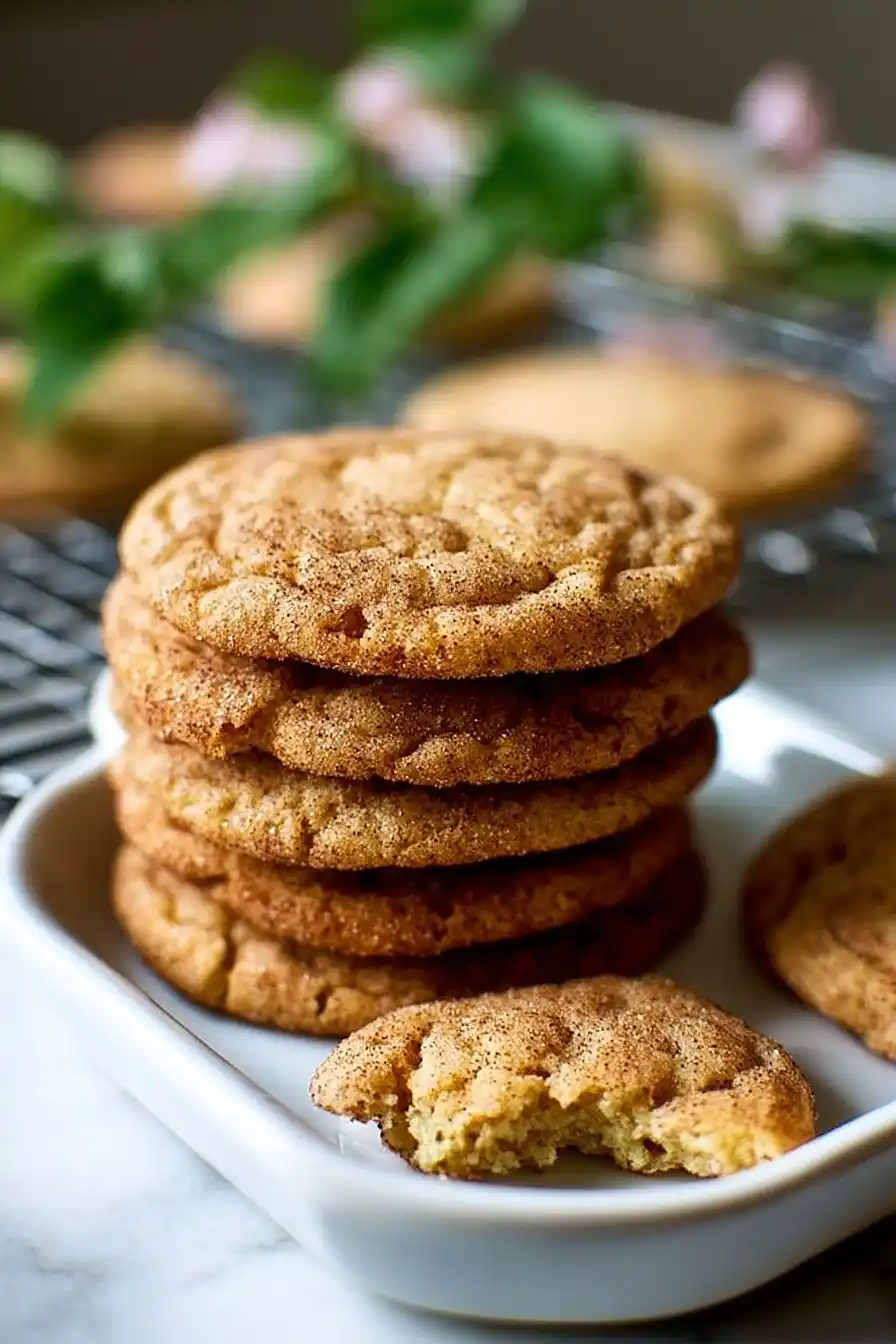
For snickerdoodles, you can use either leaf lard or regular lard, though leaf lard will give you a slightly milder flavor since it comes from around the kidneys rather than other parts of the pig. If you’re new to baking with lard, don’t worry – it’s actually pretty forgiving and creates an incredibly tender cookie with a nice crumbly texture. Make sure your lard is at room temperature before you start, just like you would with butter, so it creams properly with the sugars. And if you can’t find lard or prefer not to use it, vegetable shortening works as a substitute and will still give you that soft, pillowy texture that makes snickerdoodles so good.
Options for Substitutions
These cookies are pretty forgiving when it comes to swapping ingredients:
- Lard or vegetable shortening: If you don’t have lard on hand, vegetable shortening works just as well. You can also use all butter instead – just replace the lard with an equal amount of softened butter, though your cookies will spread a bit more and have a slightly different texture.
- Cream of tartar: This is what gives snickerdoodles their signature tangy flavor, so I wouldn’t skip it if possible. But in a pinch, you can substitute with 1 tablespoon of lemon juice or white vinegar mixed into the wet ingredients.
- Brown sugar: You can use all granulated sugar if that’s what you have, but the cookies will be slightly less chewy. Or go the other way and use all brown sugar for extra chewiness.
- Cornstarch: This helps keep the cookies soft, but if you’re out, just add an extra tablespoon of flour instead.
- Cinnamon sugar: Make your own by mixing 2 tablespoons of cinnamon with 6 tablespoons of granulated sugar. You can adjust the ratio if you prefer more or less cinnamon flavor.
Watch Out for These Mistakes While Baking
The biggest mistake when making snickerdoodles is using cold butter and lard instead of properly softened fats – they should be soft enough to leave a slight indent when pressed but not melted or greasy, which ensures your cookies have the right texture and don’t spread too thin.
Another common error is skipping the cream of tartar, which gives snickerdoodles their signature tangy flavor and helps create those classic crackly tops, so don’t try to substitute it with baking powder.
To get perfectly thick cookies, chill your dough for at least 30 minutes before rolling in cinnamon sugar, and make sure you’re not overbaking them – pull the cookies out when the edges are set but the centers still look slightly underdone, as they’ll continue cooking on the baking sheet.
Finally, roll your dough balls generously in the cinnamon sugar mixture and don’t flatten them before baking, since snickerdoodles are meant to puff up and crack naturally in the oven.

What to Serve With Snickerdoodles?
Snickerdoodles are perfect with a cold glass of milk or a hot cup of coffee, especially when they’re still warm from the oven. I love serving these cookies as an afternoon snack alongside some fresh apple slices and sharp cheddar cheese for a sweet and savory combo. They’re also great for packing up in tins as gifts during the holidays, or bringing to potlucks and bake sales since they travel well and everyone loves them. If you want to make it extra special, serve them with vanilla ice cream or a scoop of cinnamon ice cream for an easy dessert.
Storage Instructions
Store: These snickerdoodles stay soft and chewy when kept in an airtight container at room temperature for up to a week. I like to toss a slice of bread in the container to help keep them extra soft. Just make sure they’re completely cooled before storing, or they’ll get sticky.
Freeze: You can freeze baked cookies in a freezer-safe container for up to 3 months, or freeze the dough balls rolled in cinnamon sugar for up to 2 months. If freezing dough, you can bake them straight from frozen – just add an extra minute or two to the baking time.
Enjoy: Frozen cookies thaw quickly at room temperature in about 15-20 minutes. If you want them warm and fresh-tasting, pop them in a 300°F oven for about 5 minutes. They’ll taste like you just baked them!
| Preparation Time | 20-30 minutes |
| Cooking Time | 11-14 minutes |
| Total Time | 41-44 minutes (not including chilling time) |
| Level of Difficulty | Medium |
Estimated Nutrition
Estimated nutrition for the whole recipe (without optional ingredients):
- Calories: 3000-3300
- Protein: 30-38 g
- Fat: 130-145 g
- Carbohydrates: 440-470 g
Ingredients
For the dough:
- 2 tsp vanilla extract
- 1/4 tsp kosher salt
- 2 tsp cream of tartar (essential for snickerdoodle tang)
- 1 tbsp cornstarch (helps create chewy texture)
- 3/4 cup granulated sugar
- 2 large eggs (room temperature for better emulsion)
- 1 tsp baking soda
- 1/4 cup vegetable shortening (lard can substitute for richer flavor)
- 2/3 cup brown sugar (packed)
- 1/2 cup unsalted butter (softened to room temperature)
- 2 1/3 cups all-purpose flour (I use King Arthur for consistent results)
For the coating:
- 1/2 cup cinnamon sugar mix (or 1/4 cup sugar mixed with 1 tbsp ground cinnamon)
Step 1: Prepare Mise en Place and Preheat
- Parchment paper
- 1/2 cup cinnamon sugar mix
Preheat your oven to 350°F and line your baking sheets with parchment paper.
While the oven heats, measure out all your ingredients and set them aside—this ensures smooth mixing without interruptions.
Pour the cinnamon sugar mix into a shallow bowl and set it near your workspace for easy access during rolling.
Step 2: Cream Fats and Sugars
- 1/2 cup unsalted butter
- 1/4 cup vegetable shortening
- 3/4 cup granulated sugar
- 2/3 cup brown sugar
In a large mixing bowl, combine the softened butter, vegetable shortening (or lard), granulated sugar, and packed brown sugar.
Beat on medium speed for about 3 minutes until the mixture is light, fluffy, and pale—this aeration is crucial for creating tender cookies with good texture.
The extended creaming time helps incorporate air that will make the cookies rise slightly and develop a better crumb.
Step 3: Incorporate Wet Ingredients
- 2 large eggs
- 2 tsp vanilla extract
- 1/4 tsp kosher salt
Add the room-temperature eggs one at a time to the creamed mixture, beating well after each addition to ensure proper emulsion.
Pour in the vanilla extract and kosher salt, and mix until everything is fully combined.
Room-temperature eggs blend more smoothly and help create a more cohesive dough.
Step 4: Combine Dry Ingredients and Form Dough
- 2 1/3 cups all-purpose flour
- 2 tsp cream of tartar
- 1 tsp baking soda
- 1 tbsp cornstarch
- wet ingredient mixture from Step 3
In a separate bowl, whisk together the all-purpose flour, cream of tartar, baking soda, and cornstarch.
The cream of tartar reacts with the baking soda to create lift and give snickerdoodles their signature tangy flavor, while the cornstarch adds that characteristic chewy texture.
Gently fold the dry ingredient mixture from this step into the wet ingredients from Step 3 until just combined—don’t overmix, as this keeps the cookies tender.
Step 5: Chill the Dough
- dough from Step 4
Cover the dough and refrigerate for 30 to 60 minutes.
Chilling makes the dough easier to handle and prevents the cookies from spreading too much during baking, resulting in thicker, chewier cookies.
I find that even 30 minutes makes a noticeable difference in how the dough rolls and holds its shape.
Step 6: Roll, Coat, and Arrange Cookies
- chilled dough from Step 5
- cinnamon sugar mix from Step 1
Remove the chilled dough from the refrigerator and roll it into 1-inch balls using your hands or a small cookie scoop.
Working quickly so the dough doesn’t warm up too much, roll each ball in the cinnamon sugar mix until well coated, then place it on the prepared baking sheets about 2 inches apart.
The balls will spread slightly during baking, so spacing is important for even cooking.
Step 7: Bake and Cool
- cookie dough from Step 6
Bake at 350°F for 11 to 14 minutes, until the edges are set but the centers still look slightly underdone—they’ll continue to cook on the baking sheet after removal.
Let the cookies cool on the baking sheet for 2 minutes, then transfer them to a wire rack to cool completely.
The cookies will firm up as they cool and will have that perfect combination of crispy edges and chewy centers that defines an excellent snickerdoodle.
Soft Snickerdoodles with Lard
Ingredients
Method
- Preheat your oven to 350°F and line your baking sheets with parchment paper. While the oven heats, measure out all your ingredients and set them aside—this ensures smooth mixing without interruptions. Pour the cinnamon sugar mix into a shallow bowl and set it near your workspace for easy access during rolling.
- In a large mixing bowl, combine the softened butter, vegetable shortening (or lard), granulated sugar, and packed brown sugar. Beat on medium speed for about 3 minutes until the mixture is light, fluffy, and pale—this aeration is crucial for creating tender cookies with good texture. The extended creaming time helps incorporate air that will make the cookies rise slightly and develop a better crumb.
- Add the room-temperature eggs one at a time to the creamed mixture, beating well after each addition to ensure proper emulsion. Pour in the vanilla extract and kosher salt, and mix until everything is fully combined. Room-temperature eggs blend more smoothly and help create a more cohesive dough.
- In a separate bowl, whisk together the all-purpose flour, cream of tartar, baking soda, and cornstarch. The cream of tartar reacts with the baking soda to create lift and give snickerdoodles their signature tangy flavor, while the cornstarch adds that characteristic chewy texture. Gently fold the dry ingredient mixture from this step into the wet ingredients from Step 3 until just combined—don't overmix, as this keeps the cookies tender.
- Cover the dough and refrigerate for 30 to 60 minutes. Chilling makes the dough easier to handle and prevents the cookies from spreading too much during baking, resulting in thicker, chewier cookies. I find that even 30 minutes makes a noticeable difference in how the dough rolls and holds its shape.
- Remove the chilled dough from the refrigerator and roll it into 1-inch balls using your hands or a small cookie scoop. Working quickly so the dough doesn't warm up too much, roll each ball in the cinnamon sugar mix until well coated, then place it on the prepared baking sheets about 2 inches apart. The balls will spread slightly during baking, so spacing is important for even cooking.
- Bake at 350°F for 11 to 14 minutes, until the edges are set but the centers still look slightly underdone—they'll continue to cook on the baking sheet after removal. Let the cookies cool on the baking sheet for 2 minutes, then transfer them to a wire rack to cool completely. The cookies will firm up as they cool and will have that perfect combination of crispy edges and chewy centers that defines an excellent snickerdoodle.