Three of these at 2am while nursing. Standing up. No plate. Zero regrets.
That’s the lactation cookie origin story nobody warns you about. They’re supposed to help with milk supply (brewer’s yeast, flaxseed, all of it), and they DO. But nobody mentioned they’d also be the best oatmeal raisin cookie in the whole rotation?? Chewy, cinnamon-spiced, raisins in every single bite.

Do Lactation Cookies Actually Work?
The science? Honestly, meh…. brewer’s yeast and flaxseed show SOME promise for boosting supply, but your results will absolutely vary. Eat 2-3 cookies daily, nurse on demand, and chug water like it’s your job. At minimum, you get a DAMN GOOD snack!
How to Store & Freeze These Cookies
Store them right and these cookies stay fresh for DAYS!
- Counter (airtight container): up to 1 week, keep away from direct sunlight
- Fridge: 2 weeks, the coconut oil firms them up perfectly
- Freezer: 3 months in a freezer-safe bag with parchment between layers
- Thaw frozen cookies at room temp for 10 minutes before eating
- Microwave any cookie for 8 seconds for that fresh-baked feel
(Bonus: chilled cookies taste even better the next day…. just saying!)
More Recipes to Try
- Honey Oatmeal Raisin Cookies
- Iced Oatmeal Raisin Cookies
- Pecan Fig Cookies
- Raspberry Chia Seed Pudding
- Simple Blueberry Oatmeal
- High Protein Greek Yogurt Brownies
Estimated Nutrition
Estimated nutrition for the whole recipe (without optional ingredients):
- Calories: 1700-1850
- Protein: 22-26 g
- Fat: 75-85 g
- Carbohydrates: 235-255 g
Ingredients
- 1 tsp cinnamon
- 1/2 cup coconut oil (melted and cooled slightly)
- 2 tbsp milled flaxseed (for binding and lactation support)
- 3/4 cup brown sugar (packed)
- 1 1/2 cups oats (rolled oats work best)
- 2 tbsp brewer’s yeast (key lactation ingredient)
- 1 cup whole wheat flour
- 3 tbsp water
- 1/2 tsp salt
- 2 tbsp whole flaxseed (adds texture and nutrition)
- 1/2 cup raisins (or dried cranberries for variation)
- 1 tsp vanilla extract
- 1 egg (room temperature)
Step 1: Prep Ingredients and Preheat Oven
- 1 cup whole wheat flour
- 2 tbsp brewer’s yeast
- 1 tsp cinnamon
- 1/2 tsp salt
- 1 1/2 cups oats
- 2 tbsp milled flaxseed
- 2 tbsp whole flaxseed
Preheat your oven to 350°F and line a baking sheet with parchment paper.
While the oven heats, measure out all your dry ingredients—flour, brewer’s yeast, cinnamon, salt, oats, milled flaxseed, and whole flaxseed—into separate small bowls.
This advance prep ensures you won’t scramble mid-mixing and helps you catch any ingredient mistakes early.
Make sure your egg is at room temperature, as it will incorporate more smoothly into the wet ingredients.
Step 2: Whisk the Wet Base
- 1/2 cup coconut oil
- 3/4 cup brown sugar
- 1 egg
- 1 tsp vanilla extract
In a large mixing bowl, combine the melted and cooled coconut oil with the packed brown sugar.
Stir vigorously for about 30 seconds until well combined—the mixture should look slightly grainy.
Add the room temperature egg and vanilla extract, then beat with a fork or whisk for about 1 minute until the mixture becomes pale and slightly fluffy.
This aerating step helps develop a better texture in the finished cookies.
I like to beat this mixture longer than it seems necessary because it creates a lighter, more tender cookie.
Step 3: Mix and Add Flax Gel
- 2 tbsp milled flaxseed
- 3 tbsp water
In a small bowl, whisk together the milled flaxseed and water to create a gel-like binder.
Let it sit for 30 seconds so the flaxseed fully absorbs the water and becomes creamy—this is what gives these cookies their structure and helps with the lactation-boosting properties.
Pour this flaxseed mixture into the wet ingredient base from Step 2 and stir until fully incorporated, scraping down the sides of the bowl to ensure nothing gets missed.
Step 4: Stir In Dry Ingredients
- dry ingredient mixture from Step 1
Add the flour, brewer’s yeast, cinnamon, and salt to the wet ingredient mixture from Step 3.
Stir gently with a wooden spoon or spatula until just combined—you’re not making a smooth batter here, just bringing everything together.
Stop stirring once you don’t see any obvious streaks of flour, as overmixing can develop the gluten in the flour and make the cookies tough.
I find that using a spatula and folding motions rather than aggressive stirring keeps these cookies tender.
Step 5: Fold In Oats and Raisins
- 1 1/2 cups oats
- 1/2 cup raisins
- 2 tbsp whole flaxseed
Add the oats, raisins, and whole flaxseed to the dough from Step 4 and fold gently until everything is evenly distributed.
The dough should come together nicely and look studded with oats and raisins.
Be careful not to overmix at this stage—you want to maintain the dough’s structure and create cookies with a pleasant texture from the mixed ingredients.
Step 6: Portion and Flatten Dough
Using a cookie scoop or spoon, portion the dough onto your prepared parchment-lined baking sheet, spacing the cookies about 2 inches apart.
Gently press each cookie flat with the bottom of a glass or the back of a spoon—these cookies won’t spread much, so flattening them now ensures even baking and a consistent texture throughout.
Step 7: Bake and Cool Cookies
Bake in your preheated 350°F oven for 12 minutes, or until the edges are lightly golden and the centers feel set when gently pressed.
The cookies will continue to firm up as they cool, so don’t overbake or they’ll become dry.
Remove from the oven and let them rest on the baking sheet for 5 minutes before transferring to a cooling rack, which helps them hold together better.
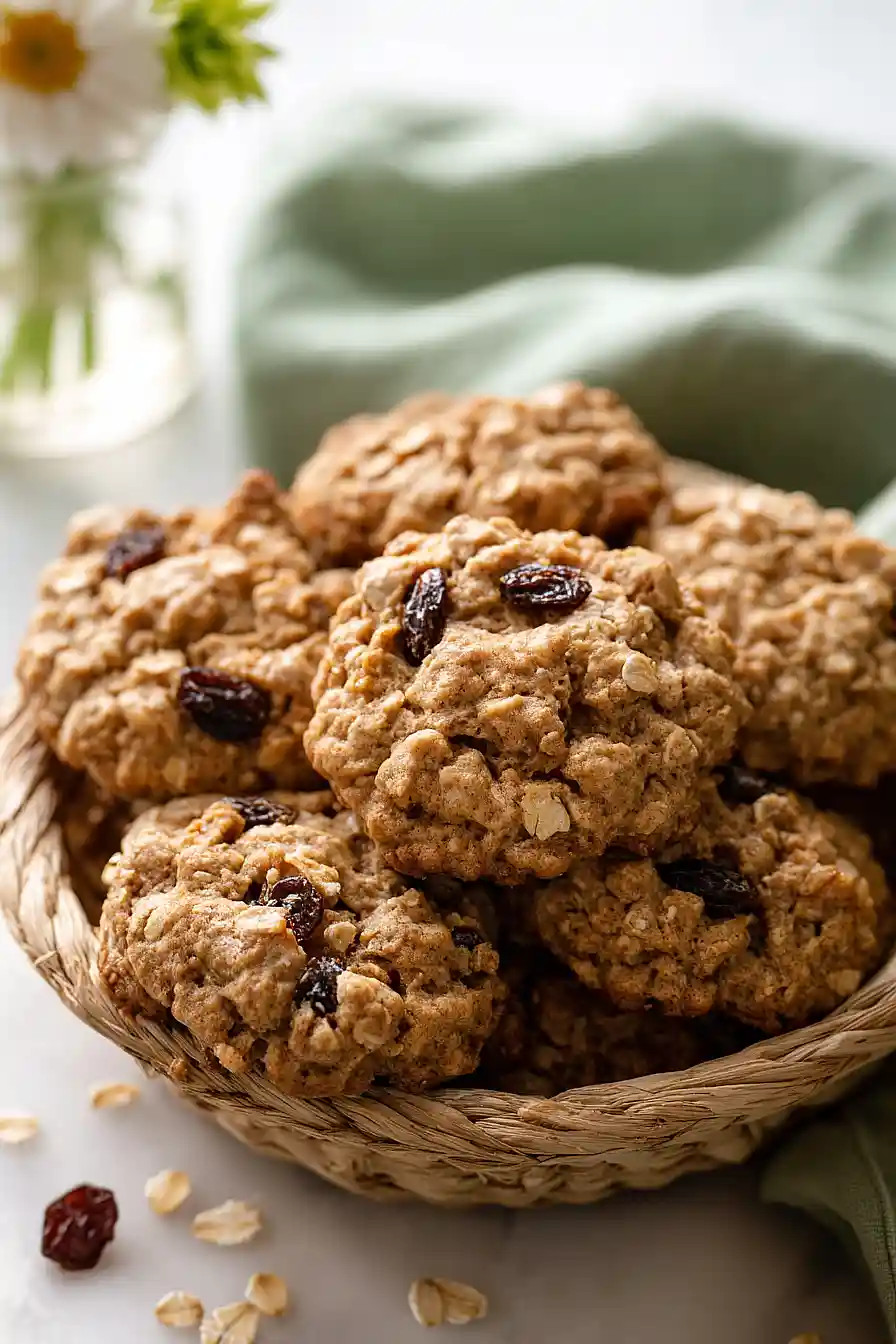
Soft Oatmeal Raisin Lactation Cookies
Ingredients
Method
- Preheat your oven to 350°F and line a baking sheet with parchment paper. While the oven heats, measure out all your dry ingredients—flour, brewer's yeast, cinnamon, salt, oats, milled flaxseed, and whole flaxseed—into separate small bowls. This advance prep ensures you won't scramble mid-mixing and helps you catch any ingredient mistakes early. Make sure your egg is at room temperature, as it will incorporate more smoothly into the wet ingredients.
- In a large mixing bowl, combine the melted and cooled coconut oil with the packed brown sugar. Stir vigorously for about 30 seconds until well combined—the mixture should look slightly grainy. Add the room temperature egg and vanilla extract, then beat with a fork or whisk for about 1 minute until the mixture becomes pale and slightly fluffy. This aerating step helps develop a better texture in the finished cookies. I like to beat this mixture longer than it seems necessary because it creates a lighter, more tender cookie.
- In a small bowl, whisk together the milled flaxseed and water to create a gel-like binder. Let it sit for 30 seconds so the flaxseed fully absorbs the water and becomes creamy—this is what gives these cookies their structure and helps with the lactation-boosting properties. Pour this flaxseed mixture into the wet ingredient base from Step 2 and stir until fully incorporated, scraping down the sides of the bowl to ensure nothing gets missed.
- Add the flour, brewer's yeast, cinnamon, and salt to the wet ingredient mixture from Step 3. Stir gently with a wooden spoon or spatula until just combined—you're not making a smooth batter here, just bringing everything together. Stop stirring once you don't see any obvious streaks of flour, as overmixing can develop the gluten in the flour and make the cookies tough. I find that using a spatula and folding motions rather than aggressive stirring keeps these cookies tender.
- Add the oats, raisins, and whole flaxseed to the dough from Step 4 and fold gently until everything is evenly distributed. The dough should come together nicely and look studded with oats and raisins. Be careful not to overmix at this stage—you want to maintain the dough's structure and create cookies with a pleasant texture from the mixed ingredients.
- Using a cookie scoop or spoon, portion the dough onto your prepared parchment-lined baking sheet, spacing the cookies about 2 inches apart. Gently press each cookie flat with the bottom of a glass or the back of a spoon—these cookies won't spread much, so flattening them now ensures even baking and a consistent texture throughout.
- Bake in your preheated 350°F oven for 12 minutes, or until the edges are lightly golden and the centers feel set when gently pressed. The cookies will continue to firm up as they cool, so don't overbake or they'll become dry. Remove from the oven and let them rest on the baking sheet for 5 minutes before transferring to a cooling rack, which helps them hold together better.
Very good! First time I made “lactation cookies” and they taste amazing! I didn’t have brewers yeast or whole flax seeds, so I simply left out the brewers yeast and added a little bit of chia seeds in lieu of the flax seeds at the end of the “method” instructions. Turned out great! deliciously enjoyable chewy texture with a slight crunch around the edges, I’ll be dunking these in milk later.