Baking cookies at high altitude can feel like a total guessing game, especially when your favorite sea-level recipes come out flat, dry, or weirdly puffy. The different air pressure and lower humidity up in the mountains throw everything off balance, and it’s enough to make even experienced bakers want to give up on homemade cookies altogether.
That’s exactly why I developed these high altitude oatmeal raisin cookies – they’re specifically formulated to work perfectly in mountain kitchens, with adjustments to the flour, baking soda, and sugar ratios that give you chewy, flavorful cookies every single time. No more disappointing batches or wasted ingredients, just reliably delicious cookies that’ll make your kitchen smell amazing.

Why You’ll Love These Oatmeal Raisin Cookies
- High altitude perfection – These cookies are specifically designed to turn out just right at higher elevations, so no more flat or overly dry cookies if you live in the mountains.
- Classic comfort – The combination of chewy oats, sweet raisins, and warm cinnamon creates that nostalgic cookie jar flavor everyone loves.
- Customizable – You can easily add toasted pecans for extra crunch or leave them out to keep things simple.
- Makes a big batch – This recipe yields plenty of cookies, perfect for sharing with friends, bringing to gatherings, or stashing some in the freezer for later.
What Kind of Oatmeal Should I Use?
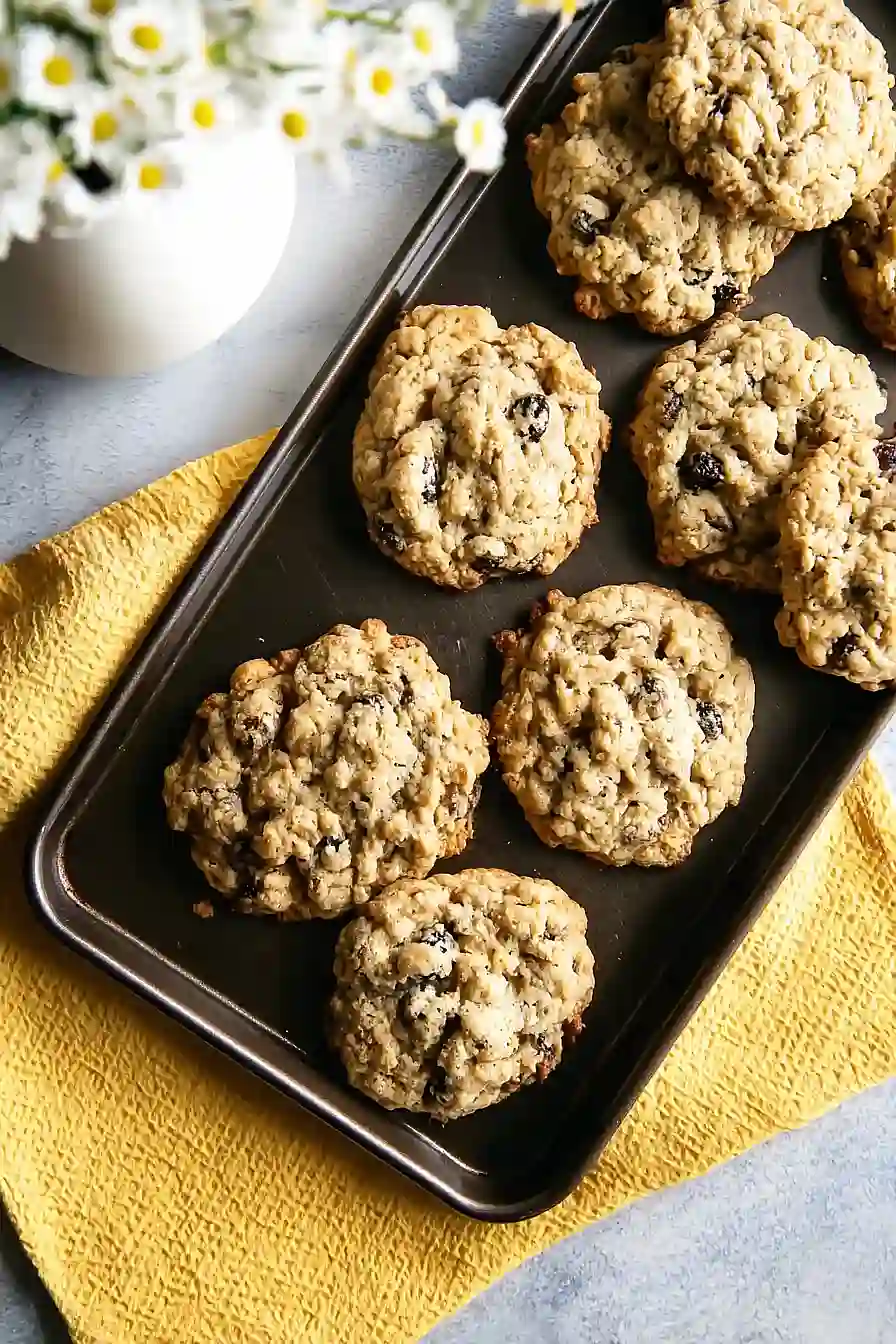
For oatmeal raisin cookies, old-fashioned rolled oats are your best bet and will give you that classic chewy texture everyone loves. Quick oats can work in a pinch, but they’ll create a slightly softer, less textured cookie since they’re more finely cut. I’d avoid instant oats altogether – they’re too processed and will turn mushy in your dough. If you want to get fancy, you can even toast your oats in a dry skillet for a few minutes before adding them to the dough, which brings out a nice nutty flavor that takes these cookies to the next level.
Options for Substitutions
This cookie recipe is pretty forgiving, so here are some swaps you can make:
- Raisins: Not a raisin fan? Try dried cranberries, chopped dates, or chocolate chips instead. You can even mix in a combination of dried fruits for something different.
- Butter: You can substitute with an equal amount of coconut oil or margarine, though butter gives the best flavor. Make sure whatever you use is at room temperature for proper mixing.
- Brown sugar: If you’re out of brown sugar, mix 1 cup of granulated sugar with 1 tablespoon of molasses. In a pinch, you can use all granulated sugar, but your cookies will be slightly less chewy.
- Pecans: Walnuts or almonds work great here, or you can leave the nuts out completely if you prefer or have allergies.
- Oatmeal: Quick oats and old-fashioned rolled oats both work fine in this recipe. Just avoid instant oats as they’ll make your cookies mushy.
- All-purpose flour: Since this is a high altitude recipe, stick with the all-purpose flour as written. The specific flour amount helps the cookies hold their shape at higher elevations.
Watch Out for These Mistakes While Baking
The biggest mistake when baking oatmeal raisin cookies at high altitude is not adjusting your baking soda – too much leavening causes cookies to spread too quickly and then collapse, so stick to the 1 1/2 teaspoons called for in this recipe rather than adding more.
Another common error is undermixing the butter and sugars, which should be creamed together for at least 2-3 minutes until light and fluffy to give your cookies the right structure they need in thinner air.
Don’t skip toasting your pecans if you’re using them, as this step brings out their flavor and prevents them from tasting raw in the finished cookies.
Finally, resist the urge to overbake – pull the cookies from the oven when the edges are golden but the centers still look slightly underdone, as they’ll continue cooking on the baking sheet and firm up as they cool.
What to Serve With Oatmeal Raisin Cookies?
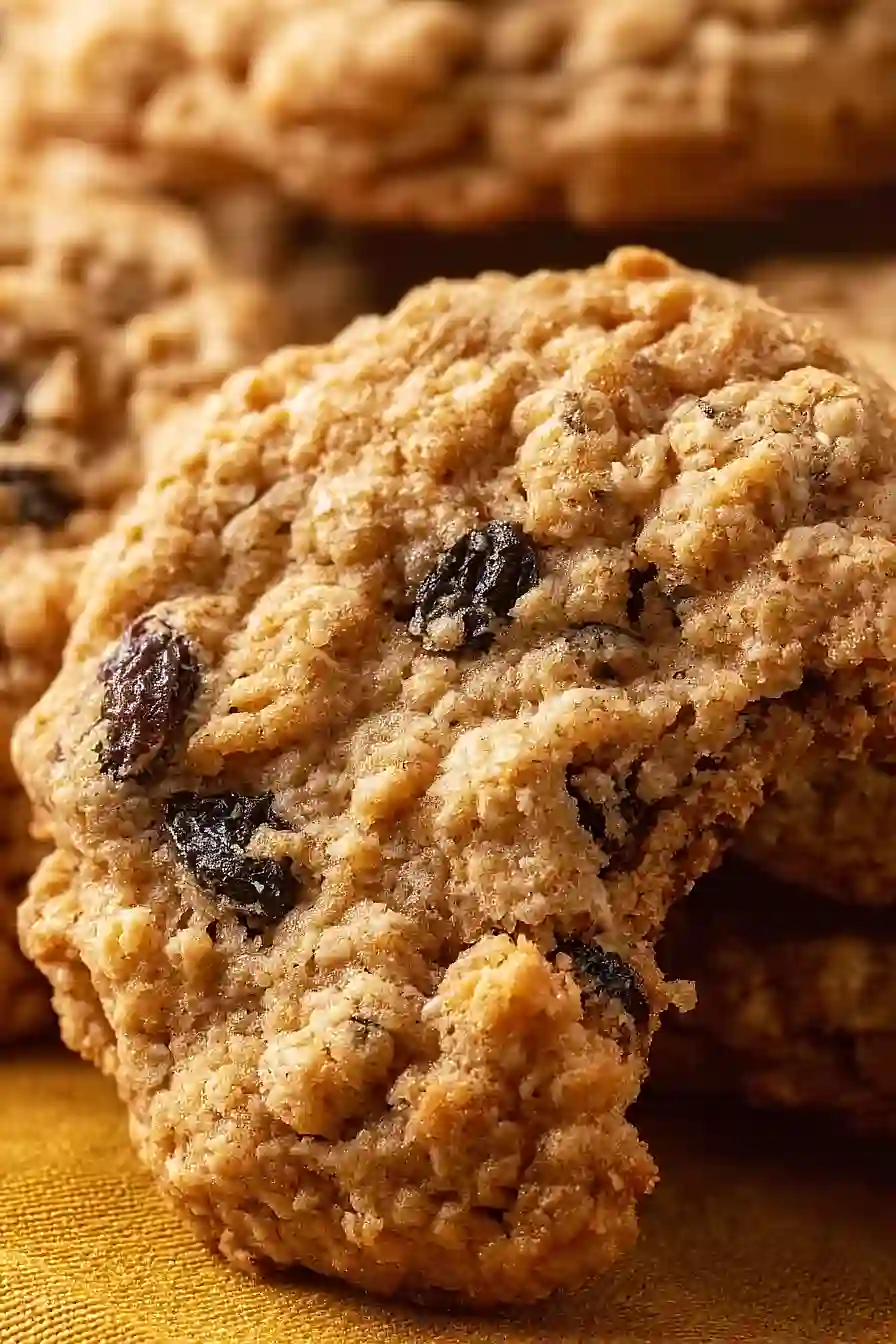
These cookies are perfect with a cold glass of milk for dunking, or try them with a hot cup of coffee or tea for an afternoon snack. I love packing them in lunchboxes alongside some fresh apple slices and cheese cubes for a balanced treat. They also make a great dessert when served with a scoop of vanilla ice cream or alongside a fruit salad. For a cozy evening, pair them with hot apple cider or even a warm mug of chai tea to bring out the cinnamon flavors.
Storage Instructions
Store: Keep your oatmeal raisin cookies in an airtight container at room temperature for up to a week. If you want them to stay extra soft, toss a slice of bread in the container with them – it really works! They’re perfect for grabbing as a quick snack or packing in lunchboxes.
Freeze: These cookies freeze really well, either baked or as dough. For baked cookies, layer them between parchment paper in a freezer bag for up to 3 months. You can also scoop the dough into balls, freeze them on a baking sheet, then transfer to a bag so you can bake fresh cookies whenever a craving hits.
Enjoy: Frozen baked cookies thaw in about 30 minutes on the counter, or you can warm them in the microwave for 10-15 seconds. If you froze the dough, just add a couple extra minutes to the baking time – no need to thaw first!
| Preparation Time | 60 minutes |
| Cooking Time | 10-12 minutes |
| Total Time | 70-72 minutes |
| Level of Difficulty | Medium |
Estimated Nutrition
Estimated nutrition for the whole recipe (without optional ingredients):
- Calories: 3850-4100
- Protein: 45-52 g
- Fat: 155-170 g
- Carbohydrates: 570-600 g
Ingredients
For the egg mixture:
- 3 eggs (room temperature)
- 1 1/2 cups raisins (plump and moist)
- 1 tbsp vanilla extract (pure vanilla preferred)
For the dough:
- 2 1/4 cups oatmeal (old-fashioned rolled oats)
- 2.1875 cups all-purpose flour (I use King Arthur all-purpose)
- 1 tsp ground cinnamon (freshly ground for best flavor)
- 1 cup brown sugar (packed)
- 1 1/2 tsp baking soda
- 1/2 tsp table salt
- 3/4 cup granulated sugar
- 1 cup butter (softened to room temperature)
For Toppings (optional):
- 3/4 cup toasted pecans (optional but recommended for extra richness)
Step 1: Prepare the Egg and Raisin Mixture
- 3 eggs
- 1 1/2 cups raisins
- 1 tbsp vanilla extract
In a small bowl, combine the room temperature eggs, plump raisins, and vanilla extract.
Stir to combine, then cover the bowl and let it sit at room temperature for 1 hour.
This soaking period allows the eggs to fully incorporate with the raisins and vanilla, creating a more cohesive wet mixture that will distribute flavor evenly throughout the dough.
While this rests, you’ll have time to prepare all other components.
Step 2: Combine Dry Ingredients
- 2.1875 cups all-purpose flour
- 1/2 tsp table salt
- 1 tsp ground cinnamon
- 1 1/2 tsp baking soda
While the egg mixture is soaking, sift together the flour, table salt, cinnamon, and baking soda in a small bowl.
Sifting is particularly important at high altitude because it aerates the flour and ensures even distribution of the leavening agents, which helps the cookies rise properly and maintain the right texture.
Set this dry mixture aside until you’re ready to combine it with the wet ingredients.
Step 3: Cream Butter and Sugars
- 1 cup butter
- 1 cup brown sugar
- 3/4 cup granulated sugar
Preheat your oven to 350°F.
In a large mixing bowl, cream together the softened butter, packed brown sugar, and granulated sugar until the mixture is light, fluffy, and pale—this should take about 2-3 minutes with an electric mixer.
Creaming incorporates air into the dough, which helps create the tender crumb structure these cookies need.
The texture should resemble wet sand when fully creamed.
Step 4: Build the Dough Base
- dry ingredient mixture from Step 2
- butter and sugar mixture from Step 3
Add the dry ingredient mixture from Step 2 to the creamed butter and sugar from Step 3, mixing on low speed until just combined.
The dough will be thick and slightly crumbly at this point, which is normal.
Mix for only 30-45 seconds—overworking the dough develops gluten unnecessarily and can result in tough cookies.
I like to finish this step by hand with a wooden spoon to ensure I don’t overdo it.
Step 5: Incorporate Eggs, Raisins, and Oats
- egg and raisin mixture from Step 1
- dough base from Step 4
- 2 1/4 cups oatmeal
- 3/4 cup toasted pecans
Slowly add the egg and raisin mixture from Step 1 to the dough from Step 4, stirring gently until the wet ingredients are fully incorporated and no streaks of dry dough remain.
The mixture will now have a wet, chunky consistency.
Fold in the old-fashioned rolled oats and toasted pecans (if using) until evenly distributed throughout the dough.
These additions add texture and flavor, and I find folding them in by hand at the end keeps the cookies from getting too dense.
Step 6: Shape and Bake the Cookies
- dough from Step 5
Drop rounded tablespoon-sized portions of dough onto ungreased cookie sheets, spacing them about 2 inches apart since these cookies spread moderately during baking.
Bake at 350°F for 10-12 minutes, until the edges are set but the centers still look slightly underbaked—they should have a light golden-brown color.
The cookies will continue to cook slightly after removal from the oven due to carryover heat.
Step 7: Cool and Enjoy
Remove the cookies from the oven and let them cool on the baking sheet for 2-3 minutes, then transfer them to a wire rack to cool completely.
This brief rest on the pan allows them to firm up enough to move without breaking, while cooling on the rack prevents them from becoming overly soft and steamy.
Store cooled cookies in an airtight container at room temperature.
Perfect High Altitude Oatmeal Raisin Cookies
Ingredients
Method
- In a small bowl, combine the room temperature eggs, plump raisins, and vanilla extract. Stir to combine, then cover the bowl and let it sit at room temperature for 1 hour. This soaking period allows the eggs to fully incorporate with the raisins and vanilla, creating a more cohesive wet mixture that will distribute flavor evenly throughout the dough. While this rests, you'll have time to prepare all other components.
- While the egg mixture is soaking, sift together the flour, table salt, cinnamon, and baking soda in a small bowl. Sifting is particularly important at high altitude because it aerates the flour and ensures even distribution of the leavening agents, which helps the cookies rise properly and maintain the right texture. Set this dry mixture aside until you're ready to combine it with the wet ingredients.
- Preheat your oven to 350°F. In a large mixing bowl, cream together the softened butter, packed brown sugar, and granulated sugar until the mixture is light, fluffy, and pale—this should take about 2-3 minutes with an electric mixer. Creaming incorporates air into the dough, which helps create the tender crumb structure these cookies need. The texture should resemble wet sand when fully creamed.
- Add the dry ingredient mixture from Step 2 to the creamed butter and sugar from Step 3, mixing on low speed until just combined. The dough will be thick and slightly crumbly at this point, which is normal. Mix for only 30-45 seconds—overworking the dough develops gluten unnecessarily and can result in tough cookies. I like to finish this step by hand with a wooden spoon to ensure I don't overdo it.
- Slowly add the egg and raisin mixture from Step 1 to the dough from Step 4, stirring gently until the wet ingredients are fully incorporated and no streaks of dry dough remain. The mixture will now have a wet, chunky consistency. Fold in the old-fashioned rolled oats and toasted pecans (if using) until evenly distributed throughout the dough. These additions add texture and flavor, and I find folding them in by hand at the end keeps the cookies from getting too dense.
- Drop rounded tablespoon-sized portions of dough onto ungreased cookie sheets, spacing them about 2 inches apart since these cookies spread moderately during baking. Bake at 350°F for 10-12 minutes, until the edges are set but the centers still look slightly underbaked—they should have a light golden-brown color. The cookies will continue to cook slightly after removal from the oven due to carryover heat.
- Remove the cookies from the oven and let them cool on the baking sheet for 2-3 minutes, then transfer them to a wire rack to cool completely. This brief rest on the pan allows them to firm up enough to move without breaking, while cooling on the rack prevents them from becoming overly soft and steamy. Store cooled cookies in an airtight container at room temperature.