If you ask me, snickerdoodles are one of the best cookies out there.
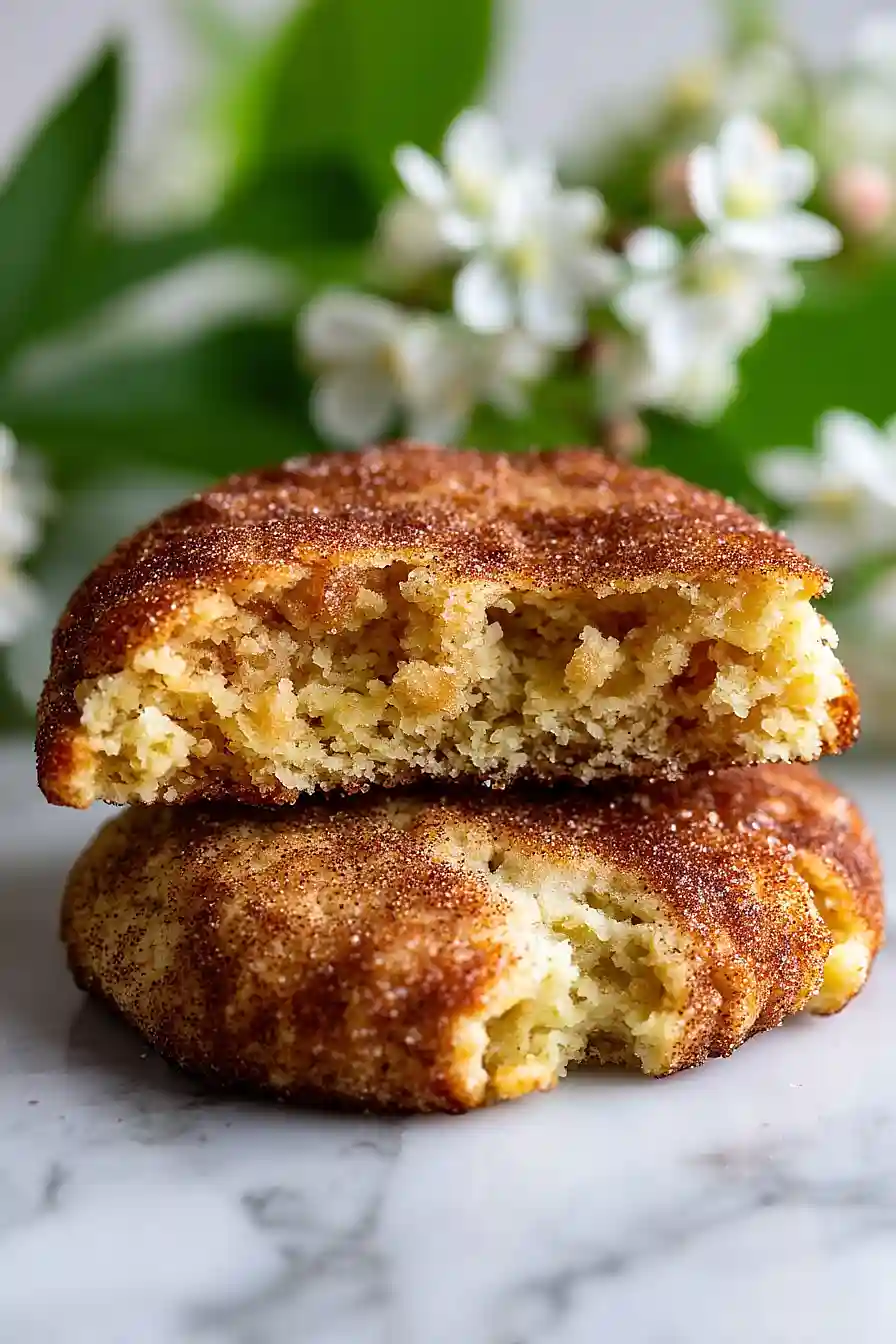
These keto snickerdoodles give you all that cinnamon-sugar goodness without the carbs. They’re soft in the middle with slightly crispy edges, just like the classic version you remember.
The secret is using almond flour and coconut flour together, plus cream of tartar for that real snickerdoodle taste. A mix of erythritol and allulose keeps them sweet without the sugar crash.
They’re perfect for anyone eating low-carb who misses a good cookie. And honestly, even people who aren’t doing keto won’t notice the difference.

Why You’ll Love These Keto Snickerdoodles
- Keto-friendly and low-carb – These cookies let you enjoy the classic snickerdoodle taste without the sugar or guilt, making them perfect for anyone following a ketogenic lifestyle.
- Quick to make – You can have warm, fresh cookies ready in under 30 minutes from start to finish.
- Classic cinnamon-sugar flavor – The cinnamon coating gives you that nostalgic snickerdoodle taste you remember, just without all the carbs.
- Soft and chewy texture – The combination of almond flour, coconut flour, and xanthan gum creates that perfect cookie texture you’re craving.
What Kind of Almond Flour Should I Use?
For keto snickerdoodles, you’ll want to use blanched almond flour rather than almond meal, as it gives you a finer texture that’s closer to traditional cookies. Blanched almond flour is made from almonds with the skins removed, so it has a lighter color and smoother consistency that works better for baking. You can find it at most grocery stores these days, with brands like Bob’s Red Mill or Kirkland being reliable options. Make sure your almond flour is fresh and stored properly in the fridge or freezer, as it can go rancid if it’s been sitting in your pantry too long.
Options for Substitutions
These keto snickerdoodles are pretty forgiving when it comes to swaps, though a few ingredients are best left as-is:
- Almond flour: This is the base of your cookies, so it’s best not to substitute it. Make sure you’re using blanched almond flour (not almond meal) for the right texture.
- Coconut flour: You can try using an extra 30-40g of almond flour instead, but keep in mind coconut flour absorbs a lot of moisture, so your dough might be slightly different. Add a tablespoon of heavy cream if the dough seems too dry.
- Xanthan gum: This helps bind everything together. If you don’t have it, you can leave it out, but your cookies might be a bit more crumbly.
- Erythritol or allulose: These sweeteners are pretty interchangeable with each other. You can also use monk fruit sweetener or a keto blend. Just note that different sweeteners have different levels of sweetness, so adjust to your taste.
- Butter: Regular unsalted butter works just fine if you don’t have grass-fed on hand. For dairy-free, try using coconut oil (measured solid) or vegan butter sticks.
- Cream of tartar: This gives snickerdoodles their signature tangy flavor, so try not to skip it. In a pinch, use 1 teaspoon of lemon juice, though the flavor won’t be quite the same.
Watch Out for These Mistakes While Baking
The biggest mistake with keto snickerdoodles is not bringing your butter to true room temperature – if it’s too cold, it won’t cream properly with the sweetener, and if it’s too warm, your cookies will spread too much and lose their shape.
Since almond flour behaves differently than regular flour, avoid overmixing the dough once you add the dry ingredients, as this can make your cookies dense and tough instead of tender.
Many bakers skip chilling the dough for at least 30 minutes before baking, but this step is important for preventing excessive spreading and helps the cookies hold their classic snickerdoodle shape.
Keep a close eye on baking time since keto cookies can go from perfectly done to overbaked in just a minute or two – they should look slightly underdone when you pull them out, as they’ll continue firming up as they cool on the baking sheet.

What to Serve With Keto Snickerdoodles?
These cookies are perfect alongside a hot cup of coffee or tea for an afternoon pick-me-up that won’t kick you out of ketosis. I love serving them with unsweetened almond milk or a creamy bulletproof coffee for a satisfying low-carb treat. They also make a great dessert when paired with sugar-free vanilla ice cream or a dollop of whipped cream. If you’re putting together a keto dessert spread, try serving these alongside some dark chocolate squares or mixed berries with whipped cream for variety.
Storage Instructions
Store: Keep your snickerdoodles in an airtight container at room temperature for up to 5 days. They’ll stay soft and chewy if you toss a piece of bread in the container with them, which helps maintain moisture.
Freeze: These cookies freeze really well for up to 3 months. You can freeze them baked or as dough balls. If freezing the dough, roll them in the cinnamon coating first, then bake straight from frozen adding just a minute or two to the baking time.
Enjoy: If you’ve frozen baked cookies, just let them thaw at room temperature for about 20 minutes. They taste amazing straight from the freezer too if you like a firmer texture, or warm them in the microwave for 10 seconds for that fresh-baked feel.
| Preparation Time | 15-20 minutes |
| Cooking Time | 6-8 minutes |
| Total Time | 21-28 minutes |
| Level of Difficulty | Easy |
Estimated Nutrition
Estimated nutrition for the whole recipe (without optional ingredients):
- Calories: 1350-1550
- Protein: 23-26 g
- Fat: 115-125 g
- Carbohydrates: 44-54 g
Ingredients
For the dry ingredients:
- 0.6 oz coconut flour
- 1/2 tsp baking soda
- 1/2 tsp xanthan gum (helps bind and improve texture)
- 1/2 tsp cream of tartar (essential for authentic snickerdoodle flavor)
- 4.2 oz almond flour (I use Anthony’s for consistent texture)
- 1/4 tsp kosher salt
For the wet ingredients:
- 1.5 tsp vanilla extract (for best flavor and aroma)
- 1/3 cup erythritol
- 1 egg (room temperature)
- 4 oz unsalted butter (softened to room temperature)
For the cinnamon coating:
- 2 tsp cinnamon (freshly ground preferred for more flavor)
- 3 tbsp allulose
Step 1: Prepare Mise en Place and Preheat
- 4 oz unsalted butter
- 1 egg
Preheat your oven to 375°F and line a baking sheet with parchment paper.
Set aside.
Bring your butter, egg, and all remaining ingredients to room temperature—this is crucial for proper mixing and texture.
Room temperature butter will cream better with the sweetener, and a room temperature egg will incorporate more smoothly into the batter, creating a lighter, fluffier dough.
Step 2: Combine Dry Ingredients
- 4.2 oz almond flour
- 0.6 oz coconut flour
- 1/2 tsp xanthan gum
- 1/2 tsp baking soda
- 1/2 tsp cream of tartar
- 1/4 tsp kosher salt
In a medium bowl, whisk together the almond flour, coconut flour, xanthan gum, baking soda, cream of tartar, and kosher salt.
Mix thoroughly to ensure the leavening agents and binders are evenly distributed throughout the dry mixture.
Set aside.
I like to sift this mixture rather than just whisking—it breaks up any clumps in the almond flour and gives you a more tender cookie in the end.
Step 3: Cream Butter and Sweeteners
- 4 oz unsalted butter
- 1/3 cup erythritol
- 3 tbsp allulose
Beat the softened butter in a separate bowl for 1-2 minutes until pale and creamy.
Add the erythritol and allulose, then beat the mixture for 8 minutes on medium speed until it becomes light, fluffy, and noticeably increased in volume.
This extended creaming incorporates air into the butter, which helps the cookies rise and creates a lighter texture.
The sweetener crystals will gradually dissolve and incorporate fully.
Step 4: Build the Cookie Dough
- 1.5 tsp vanilla extract
- 1 egg
- dry ingredient mixture from Step 2
Add the vanilla extract and room temperature egg to the creamed butter mixture, beating until fully incorporated and smooth.
Then add half of the dry ingredient mixture from Step 2, mix until just combined, then add the remaining dry ingredients and mix until the dough just comes together.
Be careful not to overmix after adding the flour—this can toughen the cookies.
The dough should be soft and slightly sticky.
Step 5: Prepare Cinnamon Coating and Shape Cookies
- 2 tsp cinnamon
- reserved erythritol for coating
In a small shallow bowl, combine the freshly ground cinnamon with 1-2 tablespoons of your remaining erythritol (or use a 1:1 ratio to taste) to create the cinnamon ‘sugar’ coating.
Scoop the dough using a cookie scoop or spoon into small balls, then roll each ball in the cinnamon mixture until well coated on all sides.
Gently flatten each cookie slightly with your palm or the bottom of a glass, creating about ¼-inch thick discs.
Arrange them on the prepared baking sheet with about 1 inch of space between each cookie.
Step 6: Bake and Cool
Bake the cookies in the preheated 375°F oven for 6-8 minutes, until the edges are light golden brown but the centers still look slightly underdone—they will continue to cook on the baking sheet after removal.
Let the cookies cool on the baking sheet for 10 minutes to set and firm up before transferring to a wire rack.
I find that moving them too early causes them to fall apart, but letting them sit on the warm pan ensures they maintain their shape and develop a slightly crispy exterior while staying tender inside.
Grain-Free Keto Snickerdoodles
Ingredients
Method
- Preheat your oven to 375°F and line a baking sheet with parchment paper. Set aside. Bring your butter, egg, and all remaining ingredients to room temperature—this is crucial for proper mixing and texture. Room temperature butter will cream better with the sweetener, and a room temperature egg will incorporate more smoothly into the batter, creating a lighter, fluffier dough.
- In a medium bowl, whisk together the almond flour, coconut flour, xanthan gum, baking soda, cream of tartar, and kosher salt. Mix thoroughly to ensure the leavening agents and binders are evenly distributed throughout the dry mixture. Set aside. I like to sift this mixture rather than just whisking—it breaks up any clumps in the almond flour and gives you a more tender cookie in the end.
- Beat the softened butter in a separate bowl for 1-2 minutes until pale and creamy. Add the erythritol and allulose, then beat the mixture for 8 minutes on medium speed until it becomes light, fluffy, and noticeably increased in volume. This extended creaming incorporates air into the butter, which helps the cookies rise and creates a lighter texture. The sweetener crystals will gradually dissolve and incorporate fully.
- Add the vanilla extract and room temperature egg to the creamed butter mixture, beating until fully incorporated and smooth. Then add half of the dry ingredient mixture from Step 2, mix until just combined, then add the remaining dry ingredients and mix until the dough just comes together. Be careful not to overmix after adding the flour—this can toughen the cookies. The dough should be soft and slightly sticky.
- In a small shallow bowl, combine the freshly ground cinnamon with 1-2 tablespoons of your remaining erythritol (or use a 1:1 ratio to taste) to create the cinnamon 'sugar' coating. Scoop the dough using a cookie scoop or spoon into small balls, then roll each ball in the cinnamon mixture until well coated on all sides. Gently flatten each cookie slightly with your palm or the bottom of a glass, creating about ¼-inch thick discs. Arrange them on the prepared baking sheet with about 1 inch of space between each cookie.
- Bake the cookies in the preheated 375°F oven for 6-8 minutes, until the edges are light golden brown but the centers still look slightly underdone—they will continue to cook on the baking sheet after removal. Let the cookies cool on the baking sheet for 10 minutes to set and firm up before transferring to a wire rack. I find that moving them too early causes them to fall apart, but letting them sit on the warm pan ensures they maintain their shape and develop a slightly crispy exterior while staying tender inside.