I didn’t realize shortbread could be this simple until I actually made it myself. Growing up, I thought those buttery cookies in the fancy tins were some kind of bakery magic that required special skills or equipment.
Turns out, shortbread is just butter, sugar, and flour mixed together. That’s it. No eggs, no leavening agents, no complicated steps. The secret isn’t in some fancy technique—it’s in using good butter and not overthinking it. Room temperature butter creams nicely with the sugar, you add your flour and salt, and you’re basically done. If you can stir things in a bowl, you can make shortbread.
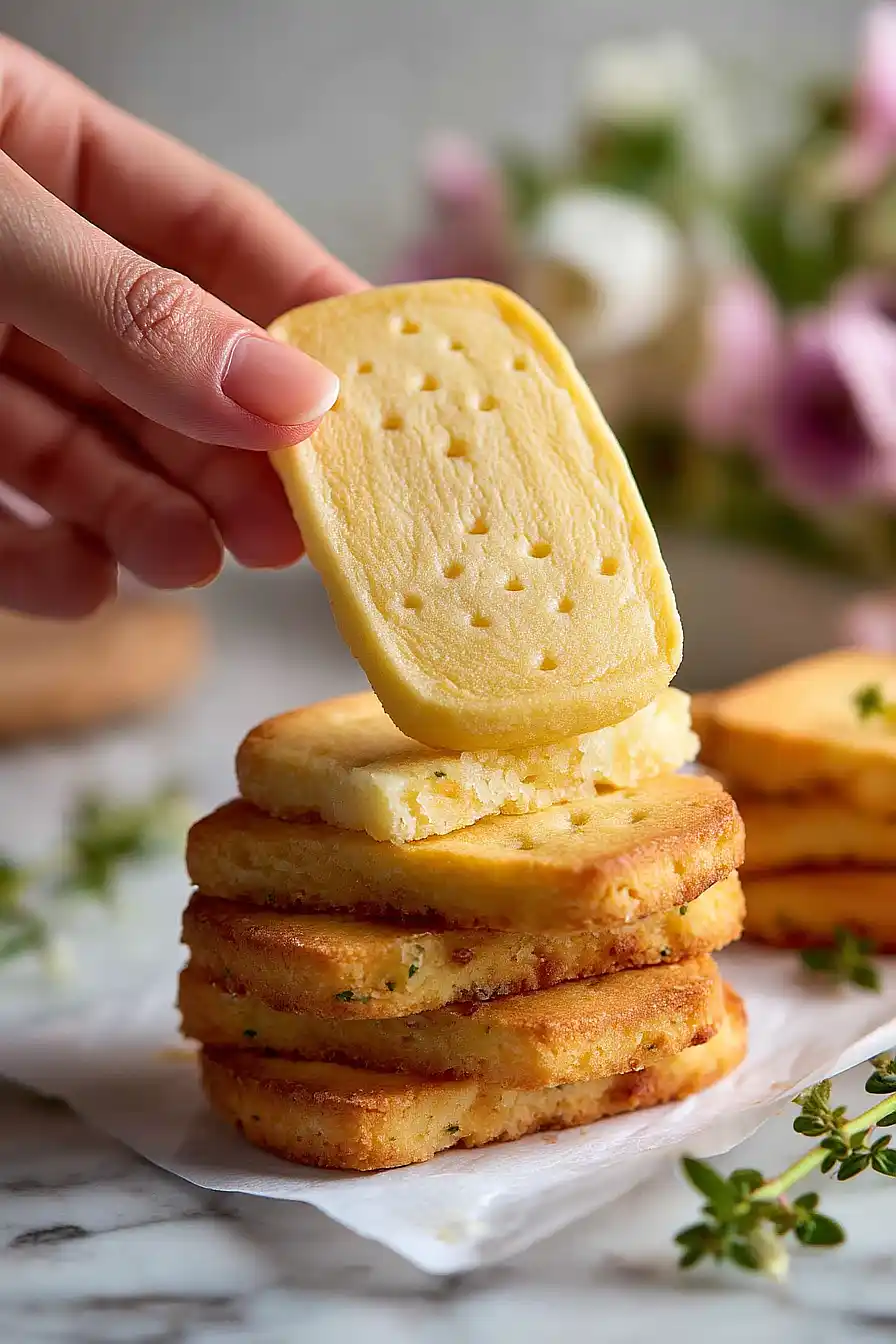
Why You’ll Love These Shortbread Cookies
- Simple ingredients – You only need five basic pantry staples to make these buttery cookies, and you probably have most of them in your kitchen right now.
- Melt-in-your-mouth texture – The combination of butter and confectioners’ sugar creates that classic crumbly, tender shortbread that practically dissolves on your tongue.
- Easy to make – No fancy techniques or equipment needed—just mix, roll, cut, and bake for delicious homemade cookies.
- Perfect for any occasion – Whether you’re making them for the holidays, a tea party, or just because you’re craving something sweet, these cookies always hit the spot.
What Kind of Butter Should I Use?
For shortbread cookies, the butter you choose really matters since it’s the star of the show. Unsalted butter is the way to go here because it lets you control the salt level in your cookies, and it tends to have a fresher, cleaner taste than salted varieties. Make sure your butter is at room temperature before you start – it should be soft enough to leave an indent when you press it, but not so soft that it’s greasy or melted. European-style butter with higher fat content can give you an even richer flavor and more tender texture, but regular supermarket unsalted butter works perfectly fine for delicious shortbread.
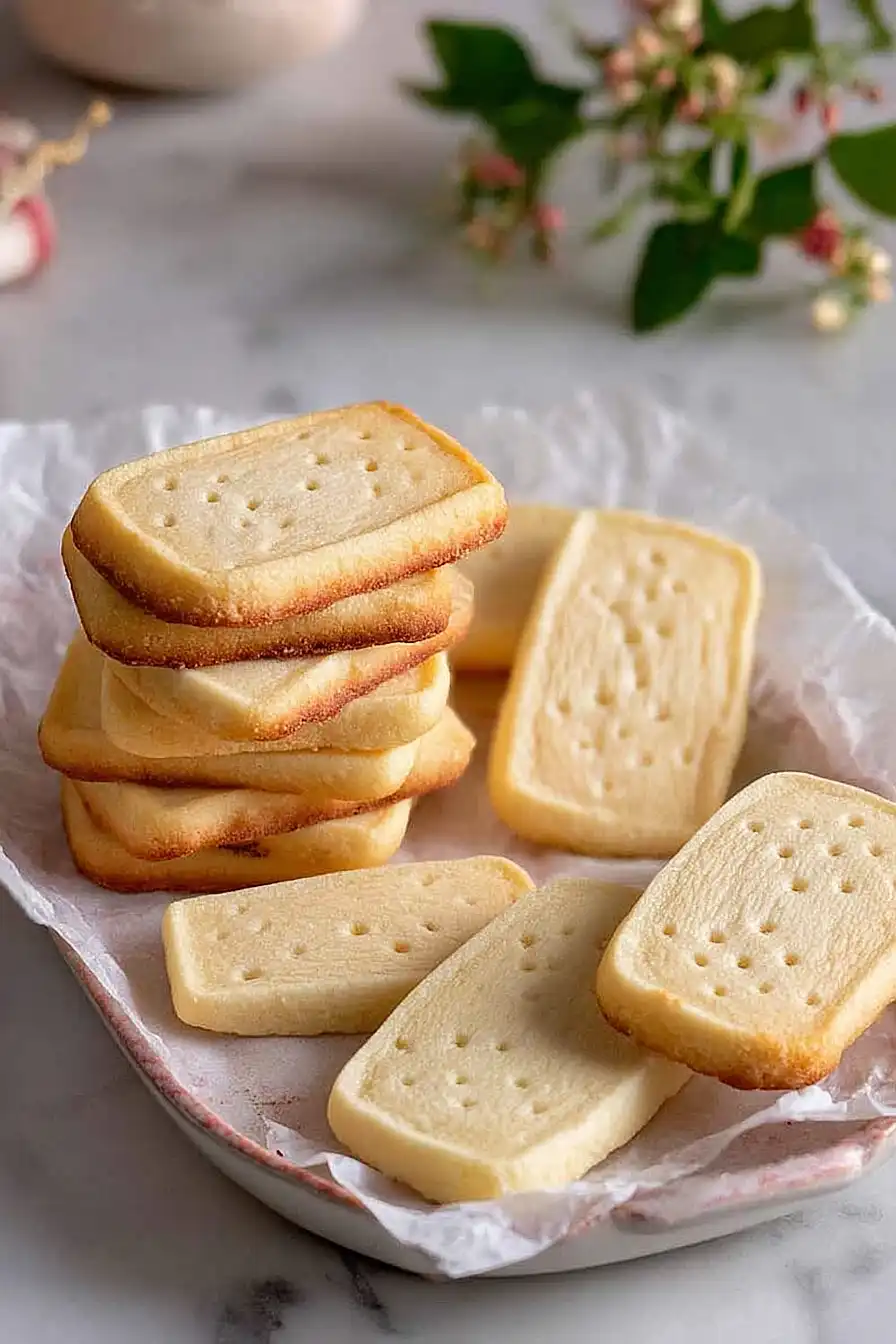
Options for Substitutions
While shortbread is a simple recipe with just a few key ingredients, here are some swaps you can make:
- Unsalted butter: This is the star of shortbread, so I’d recommend sticking with unsalted butter for the best flavor and texture. If you only have salted butter, use it but skip the added kosher salt in the recipe.
- Confectioners’ sugar: You can use granulated sugar instead, but the texture will be slightly different – a bit more grainy rather than that melt-in-your-mouth quality. If using granulated, you might want to process it in a food processor for a few seconds to make it finer.
- Vanilla extract: Try almond extract for a different flavor profile, or add a teaspoon of lemon zest for a citrus twist. You could also use vanilla bean paste for a more pronounced vanilla flavor.
- All-purpose flour: For an even more tender cookie, you can replace 1/4 cup of the all-purpose flour with cornstarch or rice flour. This creates that classic sandy texture shortbread is known for.
Watch Out for These Mistakes While Baking
The biggest mistake with shortbread cookies is overworking the dough, which develops the gluten in the flour and turns your tender, crumbly cookies into tough, hard discs – mix just until the ingredients come together and stop.
Room temperature butter is crucial here, but don’t let it get too soft or melted, as butter that’s around 65-68°F will cream properly with the sugar and give you that perfect sandy texture.
When rolling or shaping the dough, if it starts to feel sticky or warm, pop it in the fridge for 15-20 minutes to firm up, which makes cutting clean shapes much easier and prevents spreading in the oven.
Finally, resist the urge to overbake – shortbread should be pale with just barely golden edges, not brown, so pull them out when they look set but still light in color.

What to Serve With Shortbread Cookies?
Shortbread cookies are perfect alongside a hot cup of tea or coffee in the afternoon, and they’re also great for dunking into a glass of cold milk. I love serving them with fresh berries and whipped cream for a simple dessert that feels a bit fancy without much effort. They also pair really well with ice cream – just crumble a cookie or two on top of vanilla or strawberry for an easy sundae. If you’re putting together a cookie platter for the holidays or a party, shortbread looks beautiful next to chocolate chip cookies, snickerdoodles, or any other favorites you like to bake.
Storage Instructions
Store: Keep your shortbread cookies in an airtight container at room temperature for up to 2 weeks. They actually get better after a day or two as the flavors settle in. Just make sure they’re completely cooled before storing, or they’ll get soft and lose that nice crisp texture.
Freeze: These cookies freeze really well for up to 3 months. You can freeze them baked in a freezer-safe container with parchment between layers, or freeze the dough as a log wrapped tightly in plastic wrap. When you want fresh cookies, just slice and bake the frozen dough, adding a couple extra minutes to the baking time.
Make Ahead: The dough is perfect for making ahead since it needs to chill anyway. Wrap it well and keep it in the fridge for up to 3 days before baking. This makes it super easy to have fresh cookies whenever you want them without doing all the work at once.
| Preparation Time | 15-30 minutes |
| Cooking Time | 10-15 minutes |
| Total Time | 85-120 minutes |
| Level of Difficulty | Easy |
Estimated Nutrition
Estimated nutrition for the whole recipe (without optional ingredients):
- Calories: 1500-1650
- Protein: 12-15 g
- Fat: 90-100 g
- Carbohydrates: 160-180 g
Ingredients
- 1/2 tsp vanilla extract (pure vanilla for best flavor)
- 10 tbsp unsalted butter (softened to room temperature)
- 1/2 cup confectioners’ sugar
- 1.5 cups all-purpose flour (I use King Arthur all-purpose flour)
- 1/2 tsp kosher salt
Step 1: Prepare Mise en Place and Cream the Butter
- 10 tbsp unsalted butter
Measure out all ingredients before you start—this is especially important for shortbread since the technique relies on proper mixing.
Make sure your butter is truly softened to room temperature (it should yield easily to a finger press but not be greasy).
Add the softened butter to your mixing bowl and beat it with an electric mixer for about 1-2 minutes until it’s pale and fluffy, which incorporates air and creates the tender crumb that makes shortbread special.
Step 2: Build the Sugar and Vanilla Base
- 1/2 tsp vanilla extract
- 1/2 cup confectioners’ sugar
Add the vanilla extract and confectioners’ sugar to the creamed butter from Step 1, mixing on medium speed for 1-2 minutes until well combined and the mixture looks light and fluffy.
The confectioners’ sugar dissolves easily compared to granulated sugar, which helps create the characteristic tender, melt-in-your-mouth texture of shortbread.
I like to use pure vanilla extract rather than imitation—the flavor difference really shines through in such a simple, butter-focused cookie.
Step 3: Incorporate Flour and Salt to Form Dough
- 1.5 cups all-purpose flour
- 1/2 tsp kosher salt
- butter mixture from Step 2
Combine the flour and kosher salt in a small bowl, then add this dry mixture to the butter mixture from Step 2.
Mix on low speed just until the dough comes together—be careful not to overmix, as overworking flour develops gluten and will make the cookies tough rather than tender.
You want the dough to be smooth and cohesive but not dense or sticky.
Step 4: Shape and Chill the Dough
- dough from Step 3
Turn the dough onto a work surface and gently shape it into a rectangle about 1/4 inch thick, then wrap it tightly in plastic wrap.
Refrigerate for at least 1 hour—this resting period allows the flour to fully hydrate, the flavors to meld, and the butter to firm up, all of which lead to cookies that hold their shape better during baking and have improved texture.
I like to chill mine overnight when I have time; the dough keeps for up to 2 days wrapped in the fridge.
Step 5: Preheat Oven and Cut Dough
- chilled dough from Step 4
While the dough chills, preheat your oven to 350°F.
Once the oven reaches temperature and the dough has chilled completely, unwrap it and cut it into roughly 1/2-inch-thick slices using a sharp knife.
Work quickly so the dough doesn’t warm up too much, which would make the slices harder to handle cleanly.
Step 6: Score and Bake the Cookies
- cut dough slices from Step 5
Arrange the dough slices on a parchment-lined baking sheet in a single layer, spacing them about 1/2 inch apart.
Using a fork, gently poke the top of each slice 2-3 times to create a decorative pattern—this is the classic shortbread signature and also helps steam escape during baking.
Bake at 350°F for 10 minutes, rotating the baking sheet halfway through to ensure even browning.
The cookies should be pale golden when done, not deeply browned.
Step 7: Cool and Serve
- baked cookies from Step 6
Remove the baking sheet from the oven and let the cookies rest on the sheet for 2-3 minutes to firm up slightly, then transfer them to a wire rack to cool completely.
Shortbread firms up as it cools, so don’t worry if they feel slightly soft when warm—they’ll develop that characteristic snappy texture once completely cooled.
5-Ingredient Shortbread Cookies
Ingredients
Method
- Measure out all ingredients before you start—this is especially important for shortbread since the technique relies on proper mixing. Make sure your butter is truly softened to room temperature (it should yield easily to a finger press but not be greasy). Add the softened butter to your mixing bowl and beat it with an electric mixer for about 1-2 minutes until it's pale and fluffy, which incorporates air and creates the tender crumb that makes shortbread special.
- Add the vanilla extract and confectioners' sugar to the creamed butter from Step 1, mixing on medium speed for 1-2 minutes until well combined and the mixture looks light and fluffy. The confectioners' sugar dissolves easily compared to granulated sugar, which helps create the characteristic tender, melt-in-your-mouth texture of shortbread. I like to use pure vanilla extract rather than imitation—the flavor difference really shines through in such a simple, butter-focused cookie.
- Combine the flour and kosher salt in a small bowl, then add this dry mixture to the butter mixture from Step 2. Mix on low speed just until the dough comes together—be careful not to overmix, as overworking flour develops gluten and will make the cookies tough rather than tender. You want the dough to be smooth and cohesive but not dense or sticky.
- Turn the dough onto a work surface and gently shape it into a rectangle about 1/4 inch thick, then wrap it tightly in plastic wrap. Refrigerate for at least 1 hour—this resting period allows the flour to fully hydrate, the flavors to meld, and the butter to firm up, all of which lead to cookies that hold their shape better during baking and have improved texture. I like to chill mine overnight when I have time; the dough keeps for up to 2 days wrapped in the fridge.
- While the dough chills, preheat your oven to 350°F. Once the oven reaches temperature and the dough has chilled completely, unwrap it and cut it into roughly 1/2-inch-thick slices using a sharp knife. Work quickly so the dough doesn't warm up too much, which would make the slices harder to handle cleanly.
- Arrange the dough slices on a parchment-lined baking sheet in a single layer, spacing them about 1/2 inch apart. Using a fork, gently poke the top of each slice 2-3 times to create a decorative pattern—this is the classic shortbread signature and also helps steam escape during baking. Bake at 350°F for 10 minutes, rotating the baking sheet halfway through to ensure even browning. The cookies should be pale golden when done, not deeply browned.
- Remove the baking sheet from the oven and let the cookies rest on the sheet for 2-3 minutes to firm up slightly, then transfer them to a wire rack to cool completely. Shortbread firms up as it cools, so don't worry if they feel slightly soft when warm—they'll develop that characteristic snappy texture once completely cooled.